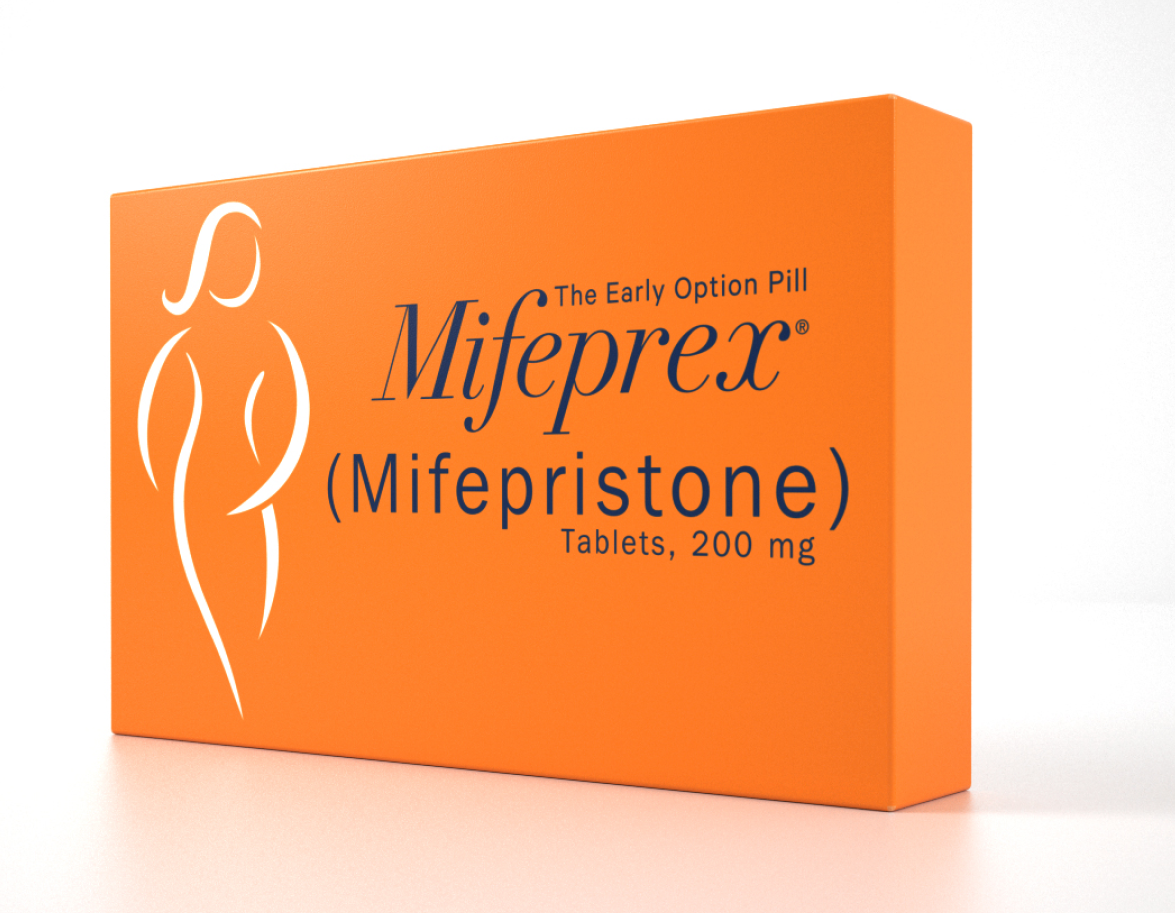

Mifepristone (Mifeprex)
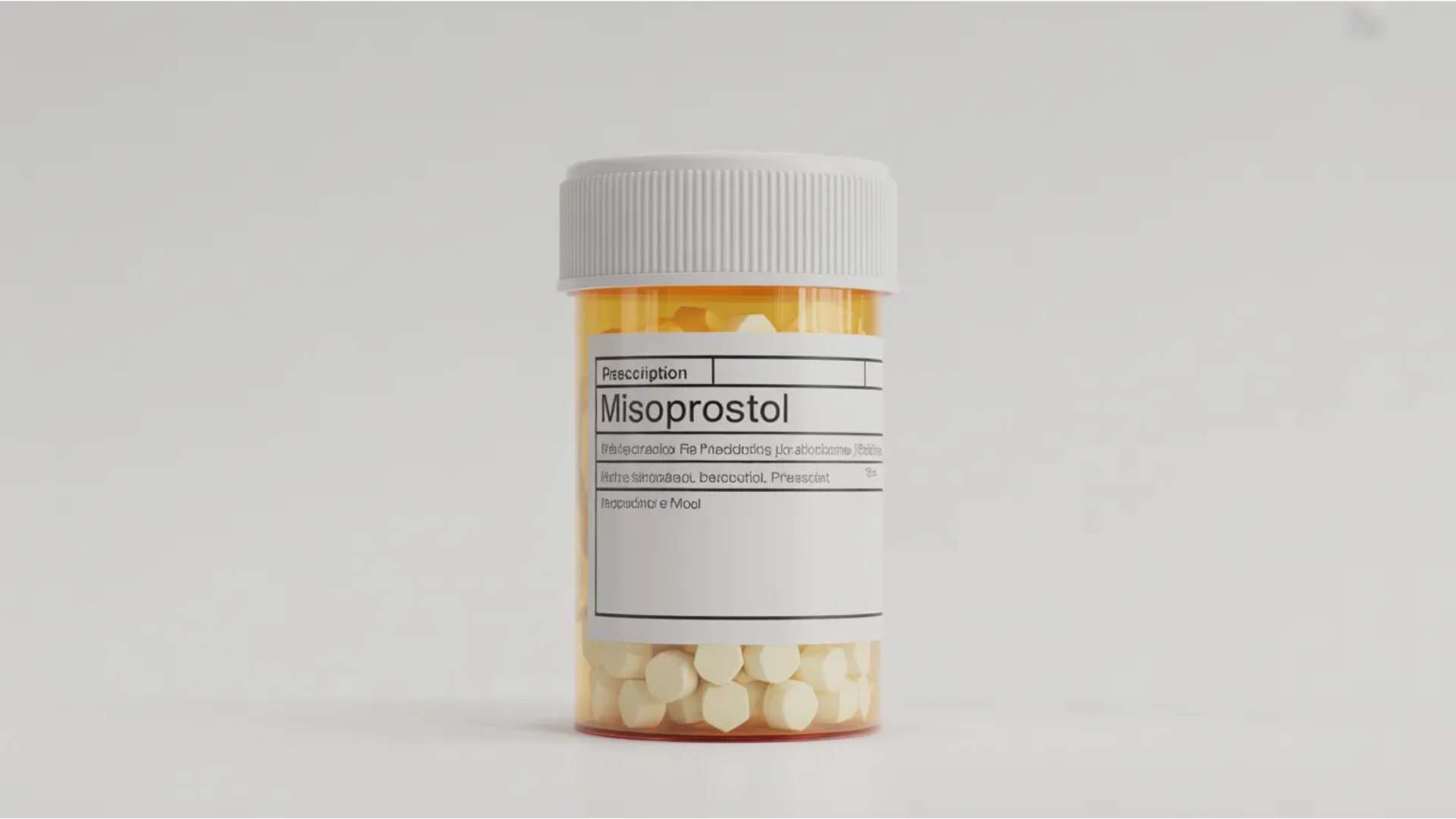
Mifepristone is used in combination with misoprostol (Cytotec®) to end an early pregnancy. Early pregnancy means it has been 70 days or less since your last menstrual period began. Mifepristone is in a class of medicatio...
Important Safety Warning About Mifepristone
Risk of Serious Vaginal Bleeding
Ending a pregnancy through miscarriage, medical abortion, or surgical abortion can cause serious or life-threatening vaginal bleeding. Doctors do not know whether mifepristone increases the risk of heavy bleeding.
Tell your doctor if you have ever had bleeding disorders or anemia, which means a low red blood cell count. Inform your doctor and pharmacist if you take blood-thinning medications such as warfarin, heparin, or other drugs used to prevent blood clots. In these cases, your doctor may advise against taking mifepristone.
Seek emergency medical care immediately if you soak through two full-size sanitary pads per hour for two hours in a row.
Risk of Serious or Life-Threatening Infection
Serious infections can occur after a miscarriage or after a medical or surgical abortion. A small number of patients died from infections after using mifepristone with misoprostol. Doctors do not know whether these medications caused the infections.
Some serious infections cause only mild symptoms. Contact your doctor immediately or seek emergency care if you experience:
-
A fever above 100.4°F (38°C) lasting more than four hours
-
Severe pain or tenderness below the waist
-
Chills, a rapid heartbeat, or fainting
Call your doctor if you feel unwell for more than 24 hours after taking mifepristone, even without fever or pelvic pain. Symptoms may include weakness, nausea, vomiting, diarrhea, or general illness.
Restricted Access and Safety Program
Because of serious risks, mifepristone is available only through the Mifepristone Risk Evaluation and Mitigation Strategies (REMS) Program. Only certified doctors and pharmacies can provide this medication.
Before treatment, your doctor will give you a Medication Guide. You must sign a patient agreement confirming that you understand the risks and instructions. Speak with your doctor if you have questions or concerns about following the agreement.
Emergency Planning and Follow-Up Care
Discuss an emergency plan with your doctor before taking mifepristone. Make sure you know who to contact and where to go if complications occur.
Tell your doctor if you cannot access emergency care quickly during the first two weeks after treatment.
Attend all follow-up appointments. Your doctor must confirm that the pregnancy has ended and that no serious complications have developed.
Why This Medication Is Prescribed
Doctors prescribe mifepristone with misoprostol to end an early pregnancy up to 70 days after the first day of the last menstrual period. Mifepristone blocks progesterone, a hormone required to maintain pregnancy.
Another product containing mifepristone, Korlym®, treats high blood sugar in people with Cushing’s syndrome. This information applies only to Mifeprex®, which treats early pregnancy.
How to Take This Medication
Take one tablet of mifepristone by mouth on day one. Within 24 to 48 hours, place four misoprostol tablets inside your cheeks. Put two tablets in each cheek pouch for 30 minutes. Afterward, swallow any remaining fragments with water.
Choose a safe and comfortable location when taking misoprostol. Bleeding, cramping, nausea, or diarrhea usually start within 2 to 24 hours.
Bleeding may last 9 to 16 days and sometimes longer. Visit your doctor 7 to 14 days after treatment for an exam or ultrasound.
Other Uses of Mifepristone
Doctors may also use mifepristone for:
-
Later-stage pregnancy termination
-
Emergency contraception
-
Certain brain tumors
-
Endometriosis
-
Uterine fibroids
-
Labor induction
Discuss risks carefully before using mifepristone for any unapproved purpose.
Precautions Before Taking Mifepristone
Tell your doctor if you:
-
Have allergies to mifepristone, misoprostol, or prostaglandins
-
Take aspirin, blood thinners, or St. John’s wort
-
Have ectopic pregnancy, adrenal failure, or porphyria
-
Use an intrauterine device (IUD), which must be removed first
-
Are breastfeeding or planning surgery
If mifepristone does not end the pregnancy, birth defects may occur. Your doctor will discuss additional treatment options if needed.
Birth Control and Fertility After Treatment
You can become pregnant again very soon after treatment. Start birth control immediately if you do not want another pregnancy.
Side Effects
Common side effects include:
-
Vaginal bleeding or spotting
-
Cramping or pelvic pain
-
Headache
-
Vaginal irritation or discharge
Call your doctor immediately if you experience severe bleeding or signs of infection.
Storage and Disposal
Store mifepristone at room temperature. Keep it away from heat, moisture, and bathrooms. Always keep medication out of children’s reach and store it in a locked or elevated place.
Additional Important Information
Only certified doctors should prescribe mifepristone. Do not purchase it online or share it with others.
Keep a written list of all medications, supplements, and vitamins you take. Bring this list to medical appointments and carry it for emergencies.
Brand Name: Mifeprex®
| Brand | N/A |
| SKU | N/A |
| Category | Herbs and Supplements |
| Availability | In Stock |
| Prescription | Not required |
This product has 0 reviews with an average rating of 4.5 out of 5 stars.
Review submission is coming soon — check back shortly!